
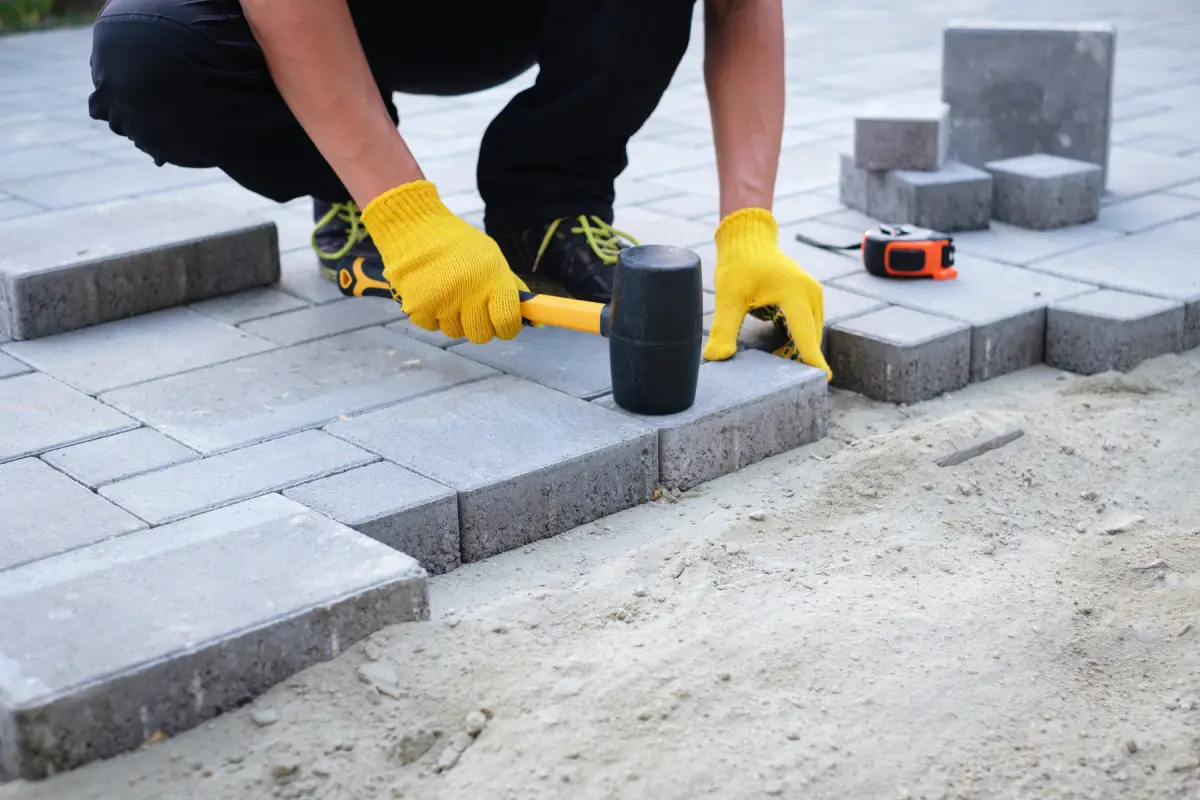
A renovation decision can influence a rental property's performance long after the contractors leave. While certain upgrades create an immediate visual impact, their value can fade when repair costs, replacement needs, and repeated tenant turnover begin to accumulate.
Market shifts highlighted in technology-powered rental trends continue shaping what renters expect from a home. As those expectations evolve, many owners are finding that practical improvements often deliver stronger financial results than luxury-focused features.
For Modesto investors, selecting upgrades that balance appearance, durability, and maintenance efficiency can help preserve profitability across multiple lease cycles.
Key Takeaways
- Durable materials often outperform premium finishes in rental properties.
- Tenant turnover accelerates wear on high-maintenance upgrades.
- Practical renovations can reduce long-term operating expenses.
- Flexible design choices appeal to a wider range of renters.
- Timeless materials generally provide stronger long-term value.
Why Some Renovations Lose Value Faster Than Expected
Many property owners assume expensive upgrades automatically create better returns. In reality, rental properties face challenges that owner-occupied homes may not experience at the same level.
Frequent move-ins, furniture movement, pet activity, and everyday use place constant stress on flooring, cabinetry, fixtures, and finishes. As years pass, the true cost of maintaining certain renovations becomes more apparent.
According to the U.S. Census Bureau, the national rental vacancy rate reached 7.1% in Q3 2025. In a competitive rental environment, long-lasting improvements often provide greater value than upgrades selected primarily for appearance.
Hardwood Flooring Can Become a Long-Term Expense
Hardwood flooring remains one of the most sought-after upgrades among property owners. Its classic appearance can elevate a property's presentation and create a strong first impression.
However, rental conditions can quickly reveal their weaknesses.
Scratches from furniture, dents from dropped items, and wear from foot traffic gradually affect the finish. Repairs and refinishing projects can become costly, especially after several tenant turnovers.
Flooring Choices That Hold Up Better
Many rental owners now consider alternatives that provide:
- Better scratch resistance
- Easier maintenance between tenants
- Lower replacement costs
- Improved moisture protection
Investors reviewing rental floor plan decisions often discover that functionality and durability frequently matter more than premium materials.
Premium Carpet Rarely Delivers Lasting Returns
Carpet can create a warm and inviting atmosphere when freshly installed. Unfortunately, it often becomes one of the first surfaces to show signs of deterioration.
Stains, odors, compressed fibers, and traffic patterns become increasingly visible over time. Even professional cleaning may not fully restore the carpet after years of use.
Areas That Wear Out First
Hallways, living rooms, and entryways typically experience the highest amount of foot traffic. These locations often require replacement sooner than expected.
Owners frequently perform a rental performance review before committing to major flooring upgrades because replacement frequency plays a significant role in long-term profitability.
Custom Cabinet Finishes Can Create Future Challenges
Custom cabinetry and designer finishes often look impressive when newly installed. The challenge arises when repairs become necessary years later.
Specialty colors, decorative finishes, and unique hardware can be difficult to match once manufacturers discontinue product lines. Minor damage may require extensive touch-up work to maintain consistency.
Simpler Designs Often Age Better
Many investors prefer neutral cabinet styles because they offer several advantages.
Easier Touch-Ups
Standard finishes are usually easier to repair.
Wider Tenant Appeal
Simple designs remain attractive despite changing trends.
Lower Update Costs
Owners can refresh surrounding features without replacing entire cabinet systems.
Property owners seeking sustainable renovation strategies often explore preventive maintenance planning when evaluating long-term upgrade decisions.
Designer Fixtures Can Increase Maintenance Complexity
Decorative lighting and specialty hardware may seem like small upgrades, but they can create ongoing maintenance concerns.
Unique fixtures often require specific replacement parts. When products are discontinued, sourcing matching components can become time-consuming and expensive.
According to the U.S. Energy Information Administration, lighting accounts for approximately 3.4% of electricity use in American homes. Since fixtures are used regularly, wear naturally accumulates over time.
Why Standard Fixtures Make Sense
Owners who standardize fixtures throughout their properties often benefit from:
- Faster repairs
- Easier inventory management
- Lower replacement costs
- Simplified maintenance planning
These advantages can become especially valuable when managing multiple rental units.
Trend-Driven Kitchens Can Date Quickly
Kitchen renovations often receive a large portion of a renovation budget. While updated kitchens attract interest, highly fashionable designs can lose relevance faster than expected.
Bold color schemes, specialty backsplashes, and niche design trends may appeal to today's renters but feel outdated several years later.
Focus on Timeless Functionality
Long-lasting kitchen upgrades typically emphasize:
Neutral Design Choices
Classic finishes maintain broad appeal.
Durable Materials
Quality surfaces withstand daily use.
Practical Layouts
Functional kitchens continue serving tenant needs regardless of changing trends.
Many investors also examine rental maintenance coverage to better understand the long-term impact of renovation decisions on operating expenses.
Built-In Features Can Limit Future Flexibility
Custom built-ins often appear beneficial because they maximize space or add visual interest. Yet flexibility remains one of the most valuable qualities in a rental property.
What suits one resident perfectly may feel restrictive to the next.
The Benefits of Adaptable Spaces
Flexible layouts help accommodate different lifestyles and furniture arrangements.
Rooms that remain open and versatile generally appeal to a broader range of prospective tenants.
Owners who prioritize adaptability frequently find it easier to market properties across changing renter demographics.
Many landlords use available owner resource tools to evaluate how layout decisions affect long-term rental performance.
Luxury Bathrooms Often Require More Upkeep
Bathrooms experience constant use, making them one of the most demanding areas in a rental home.
Frameless shower enclosures, premium fixtures, and specialty surfaces often require ongoing cleaning and maintenance to preserve their appearance.
Water exposure, mineral buildup, and daily wear can gradually diminish the appeal of luxury materials.
Better Options for Rental Durability
Moisture-resistant flooring, practical fixtures, and standardized components frequently outperform luxury alternatives over time.
Owners who focus on maintenance efficiency often work closely with professional maintenance services to protect their properties and reduce future repair costs.
FAQs about Rental Property Renovations in Modesto, CA
Which rental upgrades are most likely to require frequent replacement?
Carpet, specialty fixtures, luxury finishes, and highly customized features often experience faster wear because they face constant use and may require more intensive maintenance between tenants.
How can owners identify renovations that offer long-term value?
Evaluating durability, maintenance requirements, repair costs, and tenant appeal helps owners determine whether an upgrade will continue providing value over multiple lease cycles.
Why do neutral design choices often outperform trendy renovations?
Neutral finishes generally remain attractive to a broader range of renters. They also simplify future updates and reduce the likelihood of costly redesign projects.
Should rental properties prioritize durability over appearance?
The strongest renovation strategies typically balance both. Attractive upgrades are important, but materials that withstand daily use often provide better long-term financial results.
What role does maintenance play in protecting renovation investments?
Routine inspections, preventative care, and timely repairs help extend the lifespan of materials and reduce the likelihood of expensive replacement projects later.
Renovation Success Depends on More Than Appearance
Years of tenant occupancy often reveal which upgrades truly support rental performance and which ones create ongoing expenses. The most effective improvements are usually those that continue functioning well while requiring minimal maintenance and fewer replacements.
At PMI Central Valley, we help owners make informed decisions that support long-term property value, operational efficiency, and tenant satisfaction. Whether you're evaluating current upgrades or planning future improvements, understanding the lifetime cost of a renovation is just as important as its initial appearance.
When you're ready to assess how your property's features may affect future performance, unlock your property's next advantage with PMI Central Valley and take a more strategic approach to protecting your investment.
